Sidebar

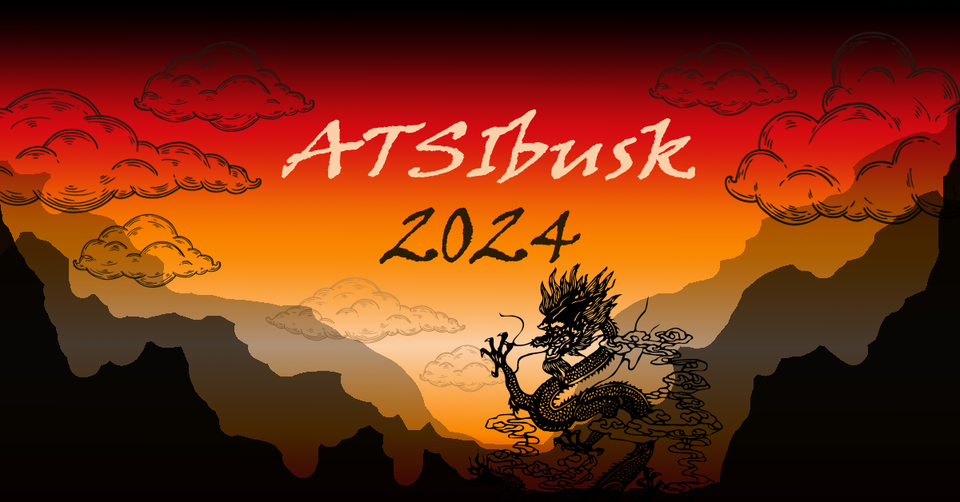
24-26 April Vilnius University hosted the ATSIbusk'24 events as it does every year. These days are aimed at both students and the general public who want to get to know Asia and the Middle East better. The three days were packed with interesting lectures, exclusive workshops and inspiring activities.

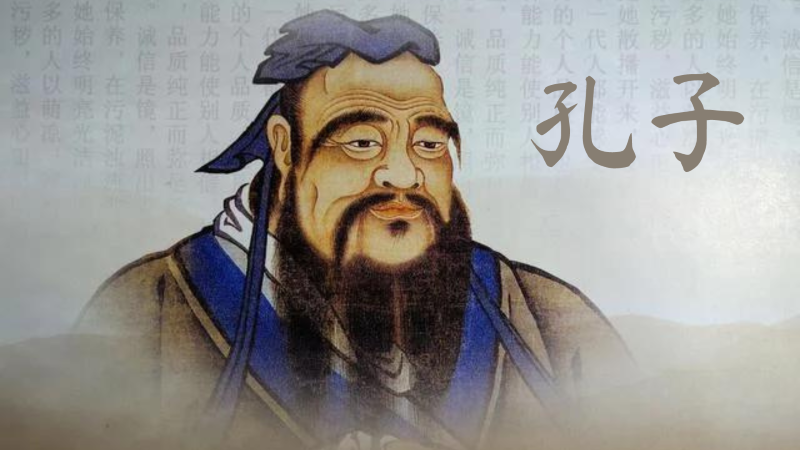
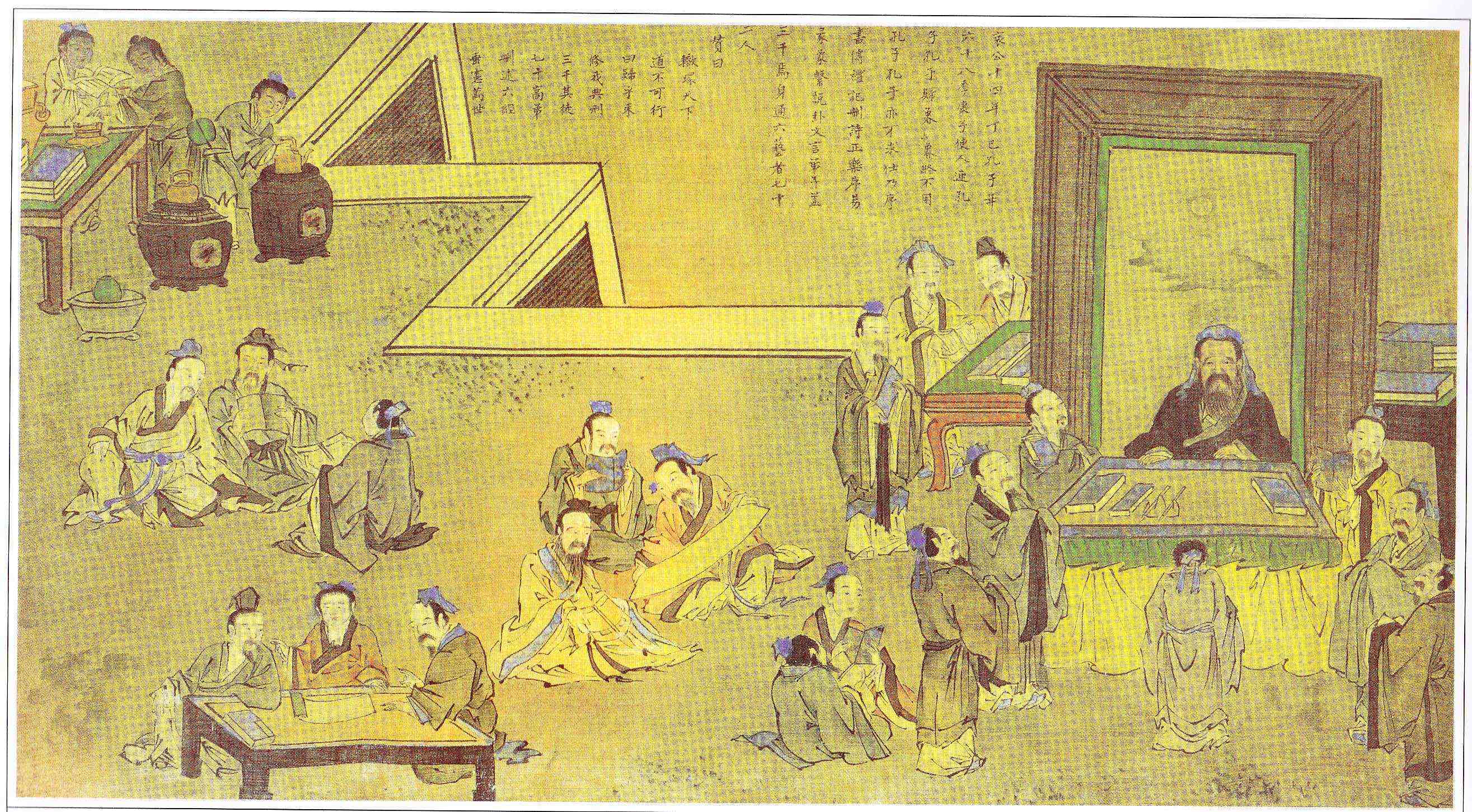
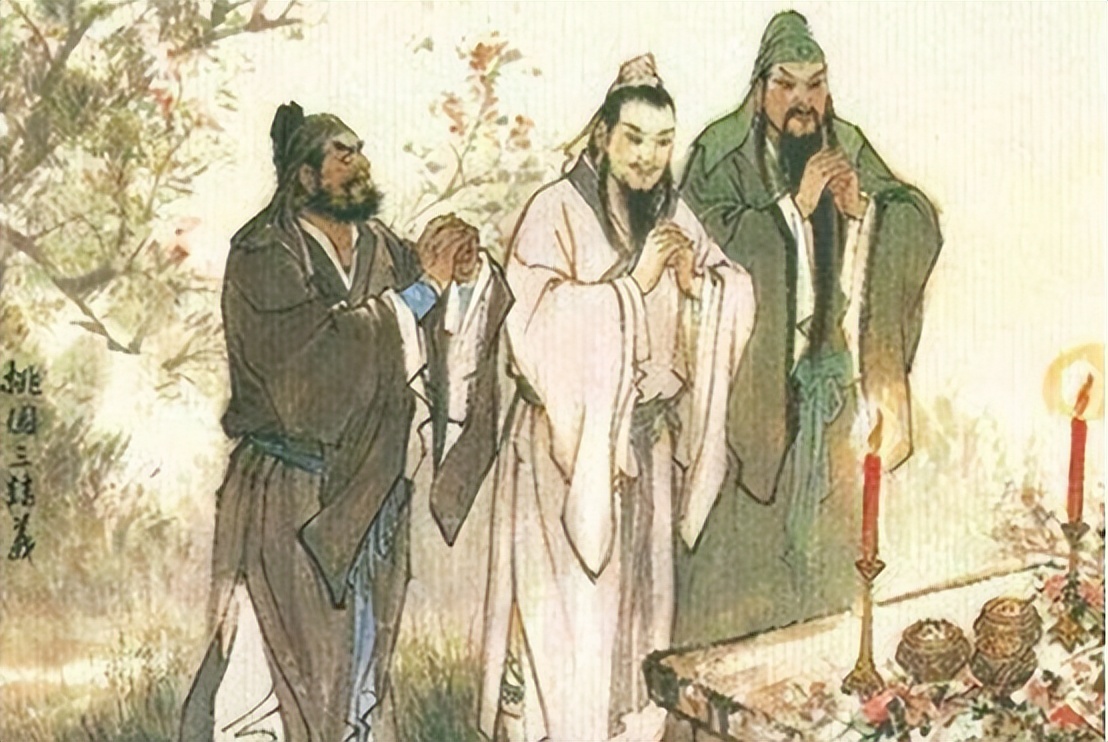
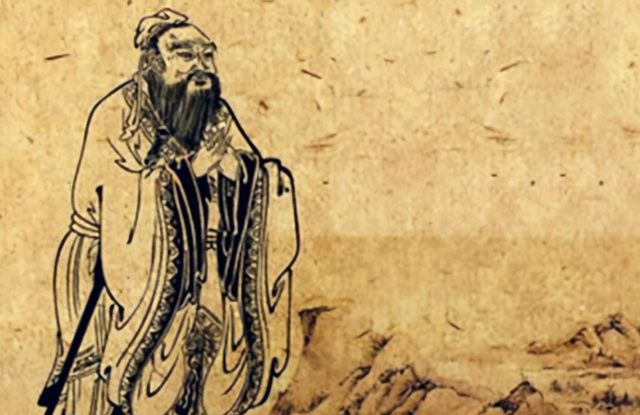
In March, the Confucius Institute of Vilnius University hosted a lecture by Dr Vytis Silius, a sinologist, researcher, associate professor, who is probably the most comprehensive scholar of the works of Confucius. In his lecture "How to be a good person? Some Examples from Confucius' Lunyu 論語 (Discussions and Conversations)", the speaker introduced us to the world of ethical ideas of classical Confucianism, focusing on the text attributed to Confucius (Kongzi 孔子).

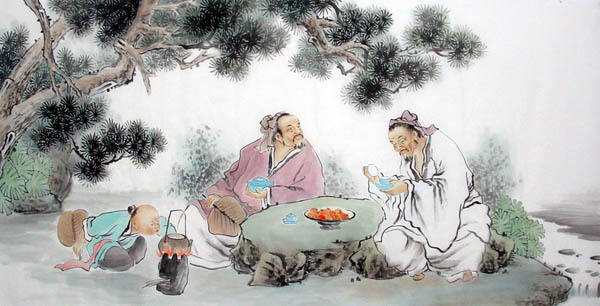
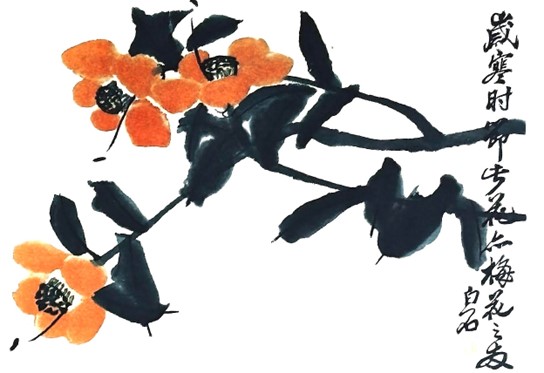
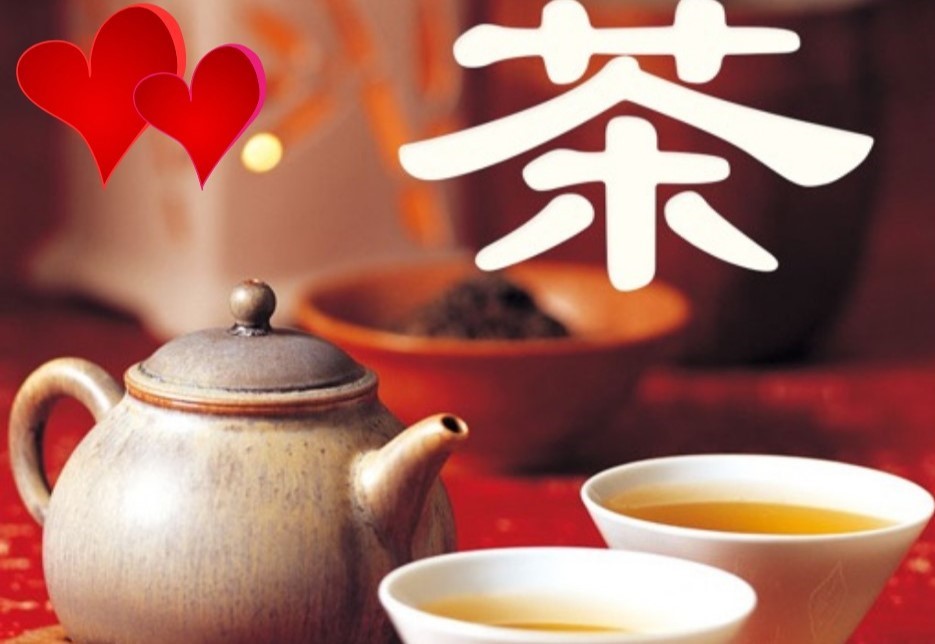
In February, Ieva Virbalaitė, a tea ceremony specialist with many years of experience, introduced participants to Chinese tea and its preparation at the event "The Magic of Chinese Tea in the Background of Qi Baishi's Paintings."

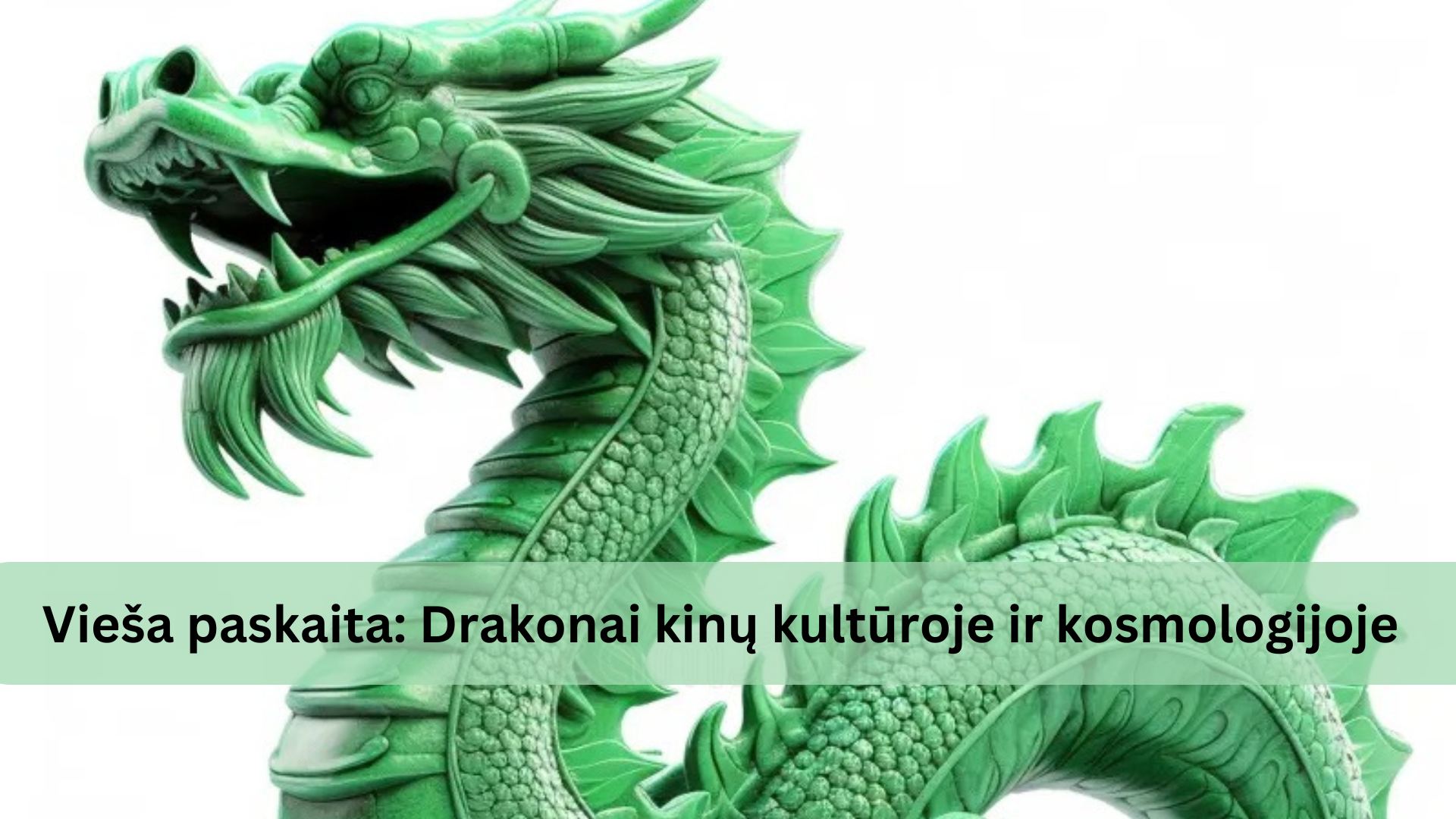
In January, at our institute, in the lecture “Dragons in Chinese Culture and Cosmology”, Sinology studies teacher and PhD student, junior assistant Balys Astrauskas, introduced the meaning and significance of dragon in fields such as culture, religion, government and cosmology.

In December, professor and lecturer of Chinese medicine Dalia Sekmokienė gave a lecture on "The Importance of Nutrition for Human Health according to Chinese Medicine and Philosophy," which introduced the audience to traditional Chinese medicine and the importance of a proper diet to maintain a healthy body and spirit.

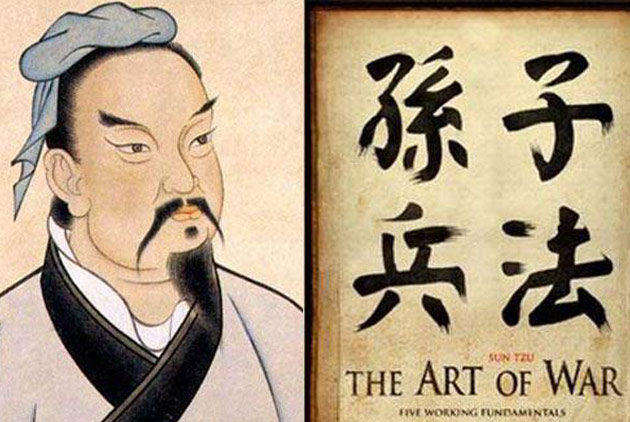
On 10 November, at the Adomas Mickevičius Public Library of Vilnius County, Dr Vytis Silius gave a lecture on perhaps the most famous and universal Sunzi work in the world "The Art of War".First, the event introduced us to the historical and cultural context. 

In October, at our institute, in the lecture "Buddhism, Moon and Wine: Some Themes from the Golden Age of Chinese Poetry", Assoc. Dr Vytis Silius gave a brief introduction to some of the most prominent poets of the Tang Dynasty and highlighted the undeniable cultural significance of their works.

In a public lecture titled "Youth Culture in Contemporary China," delivered by Assoc. Prof. Loreta Poškaitė from the Institute of Asian and Transcultural Studies, we learned many interesting facts and insights related to youth culture and its development in China, particularly in the 20th and 21st centuries. Let's briefly overview the key points that were highlighted.

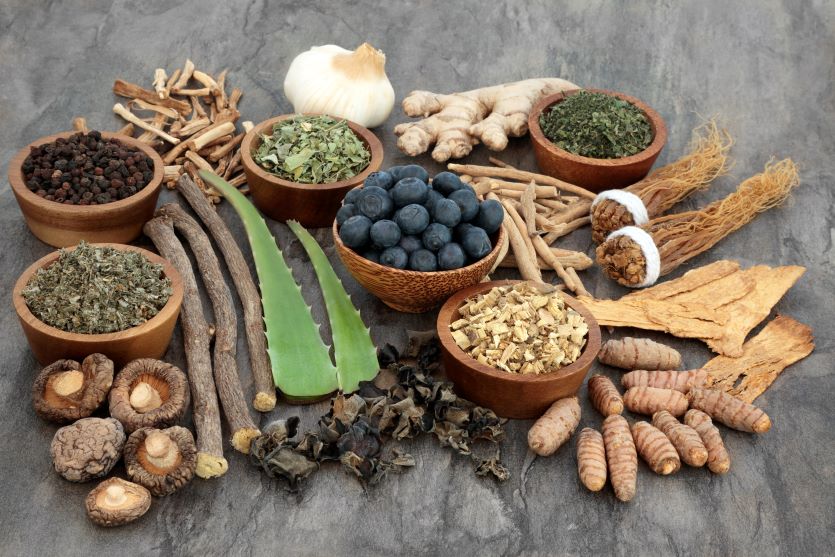
In May, in a public lecture "Phytotherapy: Lithuania - China; Far and near; Intoxication - Detoxification - Digestion. What to know", we deepened our knowledge about the healing properties of plants. The lecture was given by Vitalijus Naumavičius, MS PhD.

Acupuncture is a Chinese medical treatment that has been practised for thousands of years, not only in China and other South-East Asian countries, but also worldwide. Practitioners are guided by the idea that the life-sustaining energy Qi flows through channels in the body. When this flow is disturbed, diseases develop. By applying the needles to the points in the channels, the circulation of Qi is restored and health is restored.

On 25th of May, a public lecture "The Book of Changes (Yìjīng) in Chinese Taoism" was held at the Confucius Institute of Vilnius University, delivered by Associate Prof. Loreta Poškaitė. The lecture presented one of the oldest, most universal and still relevant Chinese wisdom texts - the Book of Changes (Yìjīng) and its connection with the Taoist religion.

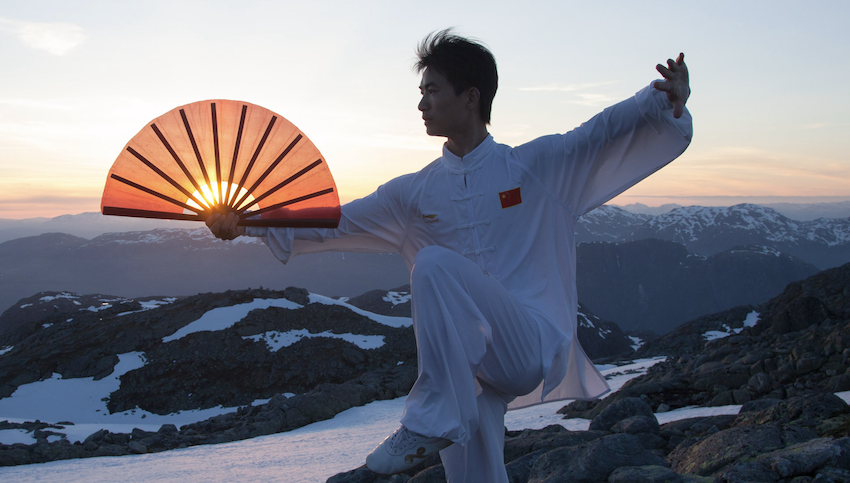
On the occasion of a World Tai Chi & Qigong Day we were extremely happy to present a health seminar with our beloved wushu instructor Liang Wenming. The core idea of the seminar was to introduce additional breathing exercises and the use of reverse abdominal breathing in Chen-style Tai Chi.

On 15 November Dr. Vytis Silius, Confucian scholar, Sun Yat-sen University researcher, gave a lecture on Sunzi's The Art of War at the Confucius Institute of Vilnius University. In this lecture, we explained the historical circumstances of the emergence of this text and the most important ideas. V. Silius outlined how Sunzi proposes to wage war and what the ideal victory in war is. The researcher also shared his own initial insights into the interest and universality of the book, not only introducing the structure of the book, but also highlighting what makes it unique in its universality.

About us