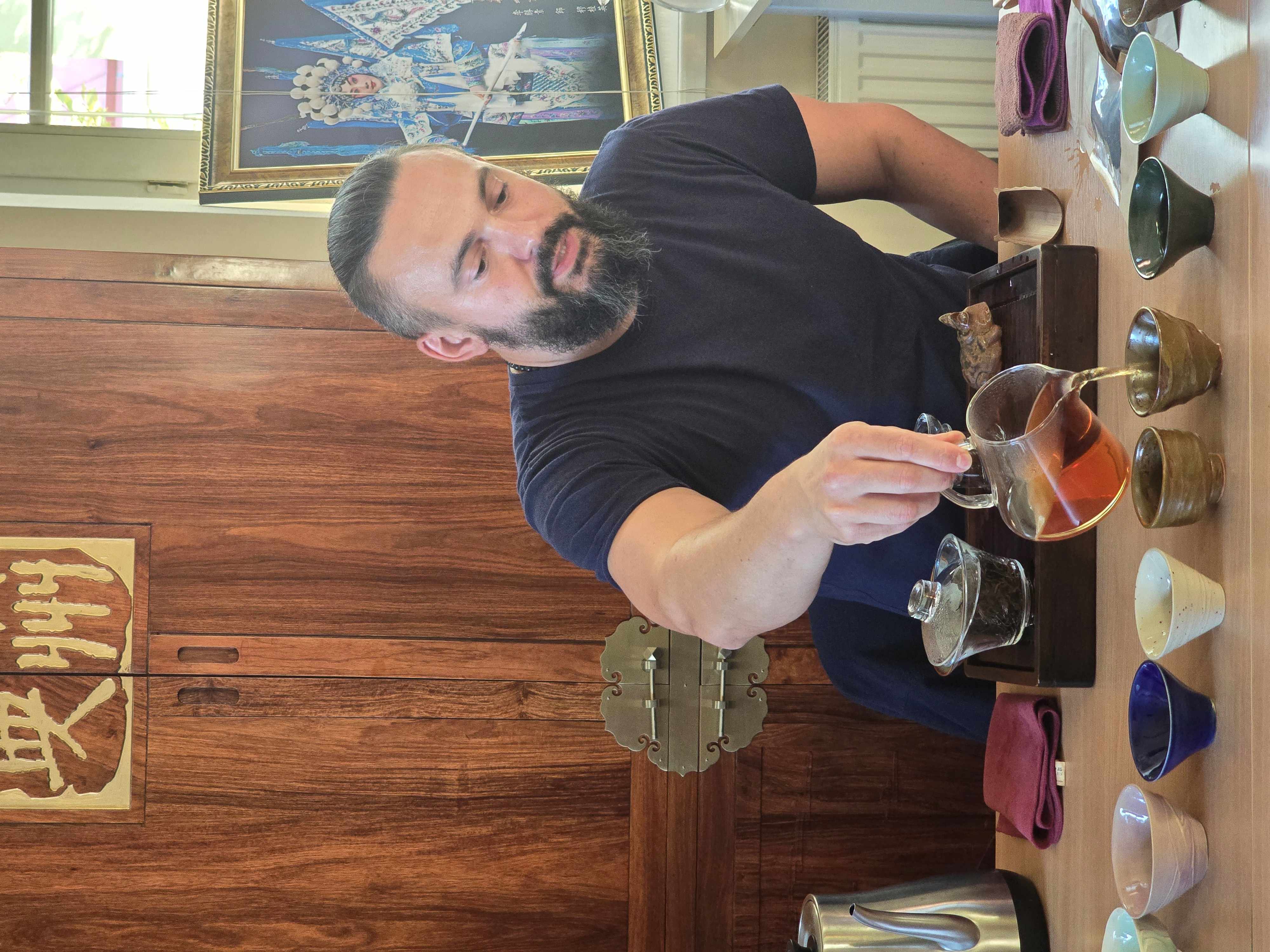
On 3rd September, a GABA tea tasting at Vilnius University Confucius Institute offered participants a unique opportunity to explore one of the most fascinating innovations in the contemporary tea world – GABA teas.
Tea culture is constantly evolving, bringing together millennia-old traditions with modern technologies and scientific knowledge. It was precisely this connection between tradition and innovation that became the central theme of the tasting.
GABA teas stand out due to a specialised production process in which the tea leaves undergo a stage of oxygen-free, anaerobic processing. This process allows a higher concentration of gamma-aminobutyric acid (GABA) to develop naturally in the tea leaves while also revealing distinctive flavour and aroma characteristics – softness, depth, and subtle nuances.
During the tasting, we sampled three different GABA teas – two red teas and one wulong tea. By comparing teas processed in different ways, participants were able to experience how production methods and tea varieties influence their flavour, aroma, and mouthfeel.
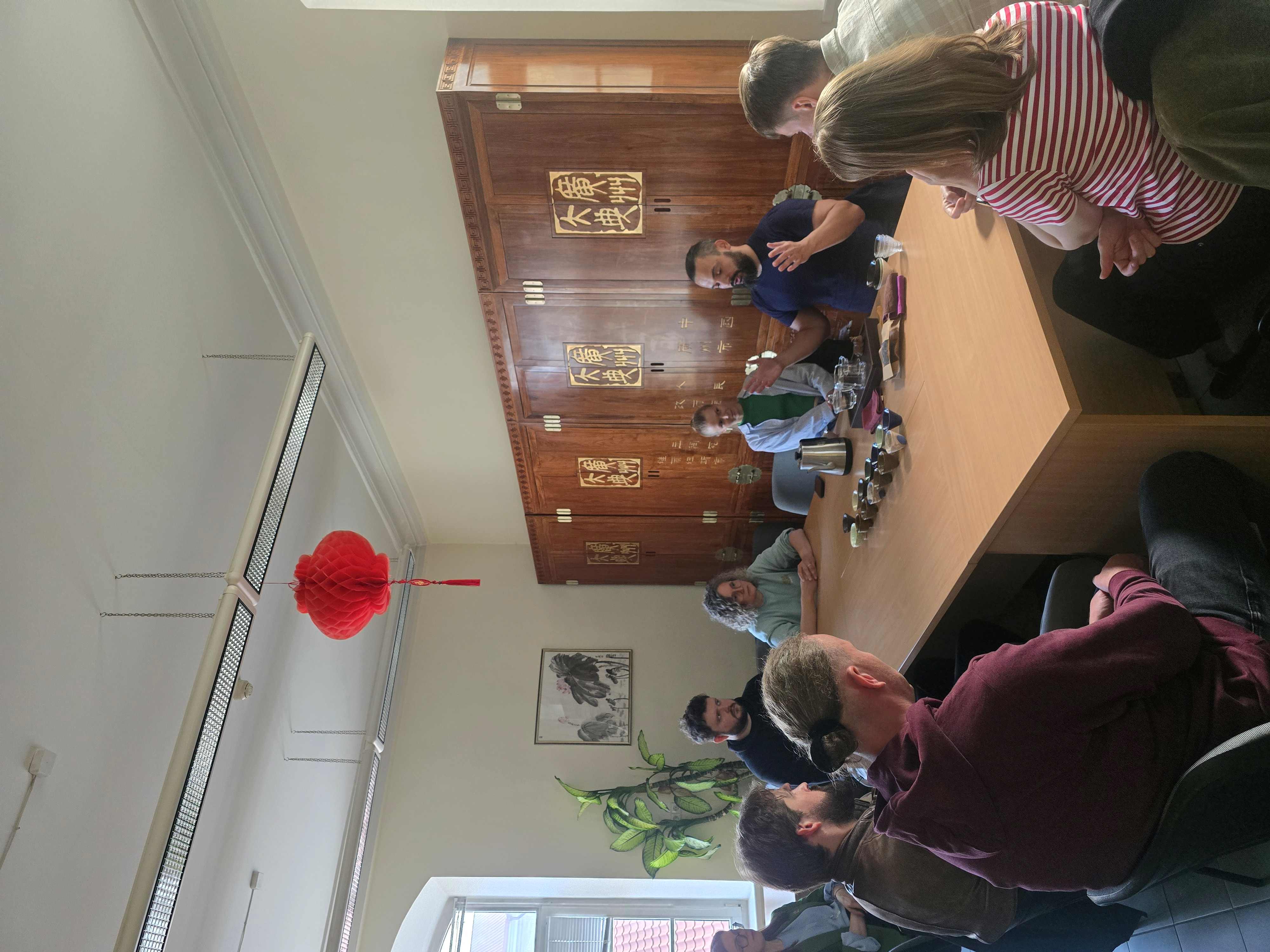

The significance of GABA was also explored in a broader context. In Eastern philosophy, inner focus and calm are associated with a harmonious and balanced state, while modern science describes GABA as an important neurotransmitter in the nervous system. Naturally present in tea leaves, GABA, together with L-theanine and antioxidants, prompted a discussion about tea’s potential role in concentration, relaxation, and emotional well-being.
The tasting was led by tea practitioner Max Roiko, whose extensive experience and interest in different tea cultures offered participants an opportunity to see each cup not only as a sensory experience, but also as a story, a tradition, and a living part of culture. The tasting provided a wonderful opportunity to experience how the ancient philosophy of tea meets new technologies and scientific discoveries today.